¿Qué es el reflujo ácido?
Acid reflux, also known as gastroesophageal reflux, occurs when food and acid from your stomach travel back up your esophagus. This can cause a burning sensation in your chest and throat, known as heartburn, as well as other symptoms.


The terms acid reflux, heartburn and gastroesophageal reflux disease (GERD) are often used interchangeably, but they do not mean the same thing. Acid reflux is a condition, and heartburn is one of its symptoms. Over time, acid reflux can cause GERD, a more serious, long-term condition in which acid reflux occurs repeatedly or causes complications.
Acid reflux is very common and affects almost everyone at some point in their lives. Most people can treat it with lifestyle changes, home remedies or over-the-counter medicines. But if chronic symptoms interfere with your quality of life, your doctor can help.
What causes acid reflux?
After eating, food travels down your esophagus, the muscular tube connecting your throat to your stomach. Your lower esophageal sphincter (LES) acts as a valve, relaxing to allow food to enter your stomach and then closing.
Acid reflux occurs when the LES relaxes at the wrong time or becomes weakened, allowing food, stomach (gastric) acid and bile to travel back up into your esophagus. Your stomach is designed to handle the highly acidic fluids that aid in digestion, but they can cause a painful, burning sensation if they travel to your esophagus.
Acid reflux symptoms
Heartburn is the symptom most frequently associated with acid reflux. It can feel like a burning sensation in the middle of your chest rising towards your throat. You might also have regurgitation, where you feel your stomach contents coming back into your throat and mouth. However, not everyone will experience these.
Other symptoms of acid reflux include:
- Bad taste in your mouth
- Burping or hiccups
- Dolor de pecho
- Cough or hoarseness
- Dificultad para tragar
- Excessive saliva
- Pérdida de apetito
- Nausea or vomiting, especially after meals
- Dolor al tragar
- Dolor de garganta
Cuando consultar con su médico
Most people can relieve occasional symptoms with home treatment or over-the-counter acid reflux remedies. However, you should see your primary care provider or a gastroenterologist if:
- You have acid reflux more than twice a week.
- You often feel sick to your stomach or like throwing up.
- Your symptoms don’t get better when you take over-the-counter medications.
- You begin losing weight because symptoms make it hard to eat or reduce your appetite.
Acid reflux risk factors
Many factors can lead to your LES being weakened, including being overweight or pregnant and taking certain medicines. Still, acid reflux can affect people of any age, from infants to older adults. But some factors can increase your chances of getting it.
Risk factors of acid reflux include:
- Age: Your LES can weaken as you age.
- Being overweight or obese: Excess weight can put more pressure on your stomach and affect your LES.
- Pregnancy: Acid reflux is common during pregnancy, especially during the last trimester. Your hormones cause your esophageal sphincter to relax and your developing baby puts pressure on your stomach.
- Smoking (or inhaling smoke): Chemicals in tobacco can weaken your LES.
- Stress: Stress and anxiety can lead to gastrointestinal symptoms, including acid reflux.
Complications of acid reflux
Chronic acid reflux can cause GERD, a long-term condition that can damage the lining of your esophagus. GERD itself can cause serious health problems, such as esophageal cancer or a chronic cough.
Other complications of acid reflux may include:
- Esophagitis: Inflammation in the lining of the esophagus.
- Barrett’s esophagus: When the tissues lining your esophagus change to look like intestinal lining. This is a risk factor for esophageal cancer.
- Asthma: Acid in your airway may aggravate people with existing Asma or cause symptoms in people without preexisting respiratory conditions. Seeking treatment for acid reflux may help you avoid GERD complications and any long-term health effects.
Diagnosing acid reflux
If you’re experiencing symptoms like heartburn, chest discomfort or a sour taste in your mouth, your primary care provider may be able to diagnose acid reflux just by reviewing your symptoms and medical history. In many cases, no additional testing is needed. However, if your symptoms don’t improve with treatment or your doctor suspects a more serious condition like gastroesophageal reflux disease (GERD), they may order tests or refer you to a specialist, such as a gastroenterologist.
-
Historial médico y examen
During your appointment, your doctor will ask about your health history. Be sure to let them know if you have a history of gastrointestinal (GI) conditions. They’ll also want to know about your symptoms, any other conditions you have and any medicines you take. Your doctor might perform a physical exam to see if there could be another cause for your symptoms.
-
Imagen
Your doctor may recommend imaging tests to get a better look at your upper digestive system.
- Upper GI endoscopy: This test uses a thin, flexible tube with a camera (called an endoscope) to check your esophagus, stomach and the first part of your small intestine. It helps your doctor look for inflammation, ulcers or other signs of damage from acid reflux.
- Barium esophagram (barium swallow): You’ll drink a chalky liquid called barium, which coats your esophagus and stomach. X-rays are then taken to show how the liquid moves through your digestive tract and whether there are signs of reflux or narrowing.
-
Ambulatory pH monitoring
This test measures how often and how long stomach acid flows back into your esophagus. A small probe is placed in your esophagus or swallowed as a capsule. It tracks acid levels for 24 to 48 hours and sends the data to a small recorder you wear.
-
Manometría esofágica
This test checks how well the muscles in your esophagus work when you swallow. A thin tube is passed through your nose and into your esophagus to measure muscle strength and movement. It’s often used if other tests don’t give clear results or before surgery.
Acid reflux treatment
Many lifestyle changes and over-the-counter medications can help you with occasional acid reflux. It may help to identify what triggers your reflux and avoid them. When lifestyle changes and nonprescription medications no longer help, your doctor can give you prescription alternatives and, if your symptoms interfere with your daily life, order tests to see if you have GERD.
Cambios en el estilo de vida
Most people can prevent acid reflux by avoiding triggers or changing how they eat. Foods and drinks that can trigger acid reflux in some people include:
- Alcoholic or carbonated drinks
- Chocolate
- Citrus fruits and drinks
- Coffee and other caffeinated beverages
- Greasy, fried or fatty foods
- Menta
- Los tomates y los productos a base de tomate
You can also try altering some of your eating habits. For example:
- Take your time when eating.
- Take a short walk after meals.
- Try eating more frequent but smaller meals, rather than large meals.
- Wait at least two hours after a meal before lying down. This aids gravity’s role in digestion.
If you get heartburn or other symptoms at night, you can elevate the head of your bed to see if that helps. Aim to raise your head six to eight inches. You’ll need to use blocks or a wedge under your mattress. Sleeping on extra pillows usually isn’t enough to reduce symptoms.
Quitting smoking and losing weight could also improve symptoms. You can also try wearing looser clothing, as tight clothes may put too much pressure on your stomach and LES.
Medicación
If you have mild or occasional acid reflux, over-the-counter (OTC) medicines may be enough to relieve your symptoms. But if you find yourself relying on them more than twice a week or they’re not working well, your doctor may prescribe stronger medications.
Over-the-counter-medicines
Nonprescription medications are usually a good starting point for treating mild or occasional acid reflux.
- Antacids: These work quickly to reduce stomach acid but can cause diarrhea or constipation, so they’re generally recommended for occasional, mild symptoms.
- H2 blockers: These medicines lower the amount of acid your stomach makes. They work more slowly than antacids but provide longer relief—up to 12 hours. Stronger forms are available by prescription.
- Proton pump inhibitors (PPIs): PPIs are stronger acid reducers than H2 blockers. They work by blocking the production of stomach acid and can also help heal irritation in your esophagus.
Prescription medicines
When over-the-counter options aren’t effective or your symptoms are more severe, your doctor may recommend prescription-strength medications.
- Prescription-strength proton pump inhibitors: These work the same way as over-the-counter PPIs but are more powerful. They’re often prescribed to treat more serious or long-term reflux and to help heal damage to the esophagus.
- Prescription-strength H-2 blockers: If mild H2 blockers aren’t enough, stronger prescription versions may be used to reduce acid production over a longer period.
- Potassium-competitive acid blockers (P-CABs): These are a newer class of acid reducers. Like PPIs, they help block acid production but may work more quickly. One example is vonoprazan, which may be prescribed for people who don’t respond well to other treatments.
Diaphragmatic breathing training (DBT)
Diaphragmatic breathing, also called “belly breathing,” is a simple technique that may help reduce acid reflux symptoms by strengthening your diaphragm and supporting the lower esophageal sphincter (LES)—the muscle that helps keep stomach acid from backing up into your esophagus.
When you breathe deeply using your diaphragm (the large muscle below your lungs), it creates more pressure in your abdomen and may help the LES work more effectively. This added support can make it harder for acid to move up into your throat.
A provider such as a physical therapist or gastroenterologist can show you how to do diaphragmatic breathing correctly. Once you’re comfortable with the technique, you can practice it at home—before meals, after eating or before bedtime.
While DBT isn’t a cure for reflux, it can be a helpful addition to your overall treatment plan along with lifestyle changes and medication.
Encuentre atención especializada para el reflujo ácido cerca de usted
En Baylor Scott & White, ofrecemos varias ubicaciones para el tratamiento del reflujo ácido, incluidos los centros de gastroenterología en todo el norte y centro de Texas. Nuestro experimentado equipo está listo para brindarle atención personalizada y ayudarle a mejorar su calidad de vida. Ya sea que esté buscando un diagnóstico, tratamiento o necesite apoyo continuo, estamos a su lado.
AccentCare - Fort Worth
3880 Hulen St , Fort Worth, TX, 76107
AccentCare Home Health of Brenham
526 W Main St , Brenham, TX, 77833
AccentCare Home Health de College Station
119 Medical Park Lane Ste C, Huntsville, TX, 77340
AccentCare Home Health de College Station
1605 Rock Prairie Rd Ste 206, College Station, TX, 77845
AccentCare Home Health de Denton
225 W. Mulberry St. Ste A, Denton, TX, 76201
AccentCare Home Health Of Desoto
911 York Drive Ste 203, DeSoto, TX, 75115
AccentCare Home Health Of Fort Worth (Arlington)
700 Highlander Blvd Ste 205, Arlington, TX, 76015
AccentCare Home Health of Huntsville
122 Medical Park Lane B, Huntsville, TX, 77340
AccentCare Home Health of Marble Falls
1100 Mission Hills Dr Ste 100, Marble Falls, TX, 78654
AccentCare Home Health de McKinney
6800 Weiskopf Ave Ste 100, McKinney, TX, 75070
AccentCare Home Health de Taylor (Hutto)
567 chris kelley blvd ste 201, hutto, tx, 78634
AccentCare Salud a Domicilio de Temple
3809 S General Bruce Dr Ste 105B, Temple, TX, 76502
AccentCare Home Health de Waco
8300 Central Park Dr Ste A, Waco, TX, 76712
AdventHealth Central Texas
2201 S Clear Creek Rd, Killeen, TX, 76549
Hospital de mujeres Andrews en Baylor Scott & White - Fort Worth
1400 8th Avenue, Fort Worth, Texas, 76104
Baylor Scott & White - Hillcrest Infectious Disease Clinic
50 Hillcrest Medical Blvd MOB1, Ste 104, Waco, TX, 76712
Baylor Scott & White - Centro para el cerebro y la columna vertebral de Plano
4708 Pabellón I de Alliance Blvd, Ste 810, Plano, TX, 75093
Baylor Scott & White - Instituto del Cerebro y la Columna Vertebral de Texas
900 Dr. Scott y White, College Station, Texas, 77845
- Lunes: 8:00 am - 5:00 pm
- Martes: 8:00 am - 5:00 pm
- Miércoles: 8:00 am - 5:00 pm
- Jueves: 8:00 am - 5:00 pm
- Viernes: 8:00 am - 5:00 pm
Baylor Scott & White - Texas Brain y Spine Institute - Huntsville
122 Medical Park Ln Ste A, Huntsville, TX, 77340
Baylor Scott & White - Clínica Brenham
600 N Park St, Brenham, Texas, 77833
- Lunes: 7:30 am - 5:00 pm
- Martes: 7:30 am - 5:00 pm
- Miércoles: 7:30 am - 5:00 pm
- Jueves: 7:30 am - 5:00 pm
- Viernes: 7:30 am - 5:00 pm
Clínica Baylor Scott & White 65+
4716 alianza blvd este 500, plano, tx, 75093
- Lunes: 8:00 am - 4:30 pm
- Martes: 8:00 am - 4:30 pm
- Miércoles: 8:00 am - 4:30 pm
- Jueves: 8:00 am - 4:30 pm
- Viernes: 8:00 am - 4:30 pm
Baylor Scott & White Advanced Cardiac Imaging Specialists
1100 Allied Dr, Plano, Texas, 75093
Consultores avanzados en diagnóstico cardiovascular y por imágenes de Baylor Scott & White
4708 alianza blvd este 450, plano, tx, 75093
Baylor Scott & White Cuidados Digestivos Avanzados
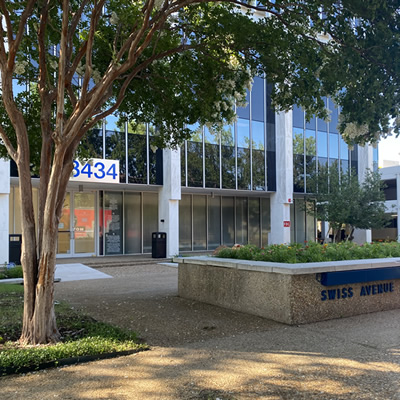
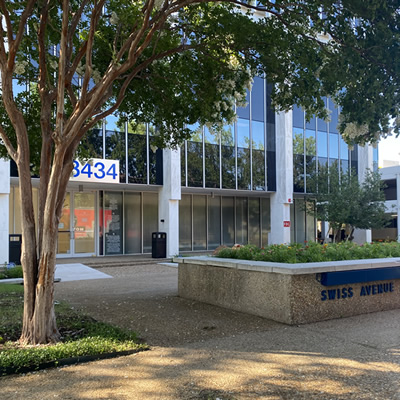
3434 Swiss Ave Ste 200 Dallas, TX, 75204
- Lunes: 8:00 am - 5:00 pm
- Martes: 8:00 am - 5:00 pm
- Miércoles: 8:00 am - 5:00 pm
- Jueves: 8:00 am - 5:00 pm
- Viernes: 8:00 am - 5:00 pm
Centro avanzado de enfermedades cardíacas y pulmonares Baylor Scott & White - Fort Worth
1420 8th ave ste 103, fortworth, tx, 76104
Cuidados Avanzados del Corazón Baylor Scott & White - Anna
450 N Standridge Blvd, Anna, TX, 75409
Atención cardíaca avanzada Baylor Scott & White - Decatur
2401 S FM 51 Ste 200, Decatur, TX, 76234
Atención cardíaca avanzada de Baylor Scott & White - Denton
3333 Bulevar Colorado, Denton, Texas, 76210
Baylor Scott & White Advanced Heart Care - Idabel, Oklahoma
4 SE Avenida A, Idabel, OK, 74745
Baylor Scott & White Advanced Heart Care - Keller (Satélite)
3124 N Tarrant Pkwy Ste 204 Keller, TX, 76177
Baylor Scott & White Advanced Heart Care - McKinney (Satélite)
5236 w university dr ste 4450, mckinney, tx, 75071
Baylor Scott & White Advanced Heart Care - Mt Pleasant (Satélite)
1011 N Jefferson Ave, Mt Pleasant, TX, 75455
Baylor Scott & White Advanced Heart Care - París
875 S Collegiate Dr , Paris, TX, 75462
Atención cardíaca avanzada Baylor Scott & White - Plano
4716 Dexter Dr Ste 100, Plano, TX, 75093
Cuidados avanzados del corazón Baylor Scott & White - Sherman Sycamore (Satélite)
203 E Sycamore St, Sherman, TX, 75090
Baylor Scott & White Advanced Heart Care - Sulphur Springs
601 Airport Rd Ste 110, Sulphur Springs, TX, 75482
Cuidados avanzados del corazón Baylor Scott & White – Sherman Highland (Satélite)
300 N Highland Ave, Sherman, TX, 75092
Baylor Scott & White Advanced Heart Failure Clinic - Irving
2001 N MacArthur Blvd Bldg 1, Ste 360, Irving, TX, 75061
Baylor Scott & White Advanced Heart Failure Clinic - Abilene
1219 E Sur 11th St Ste B 79602, Abilene, TX, 2
Baylor Scott & White Advanced Heart Failure Clinic - Amarillo
1901 medi park dr ste 2051, amarillo, tx, 79106
Baylor Scott & White Advanced Heart Failure Clinic - Dallas
3410 vale la pena st ste 250, dallas, tx, 75246
- Lunes: 8:00 am - 4:30 pm
- Martes: 8:00 am - 4:30 pm
- Miércoles: 8:00 am - 4:30 pm
- Jueves: 8:00 am - 4:30 pm
- Viernes: 8:00 am - 4:30 pm
Baylor Scott & White Advanced Heart Failure Clinic - Longview
906 Calle Judson, Longview, Texas, 75601
Baylor Scott & White Advanced Heart Failure Clinic - Lubbock
3711 22segundo paso b, lubbock, tx, 79410
Baylor Scott & White Advanced Heart Failure Clinic - Midland / Odessa
420 E 6th St Ste 102 Odessa, TX, 79761
Baylor Scott & White Advanced Heart Failure Clinic - Tyler
1321 Avenida S. Beckham, Tyler, Texas, 75701
Clínica avanzada de insuficiencia cardíaca Baylor Scott & White - Waxahachie
2360 N Interestatal 35E MOB 2, Ste 310, Waxahachie, TX, 75165
Especialistas avanzados en insuficiencia cardíaca de Baylor Scott & White - Fort Worth
1250 8th ave ste 200, fortworth, tx, 76104
- Lunes: 8:00 am - 5:00 pm
- Martes: 8:00 am - 5:00 pm
- Miércoles: 8:00 am - 5:00 pm
- Jueves: 8:00 am - 5:00 pm
- Viernes: 8:00 am - 5:00 pm
Baylor Scott & White Especialistas avanzados en enfermedades pulmonares - Dallas
3410 vale la pena st ste 250, dallas, tx, 75246
- Lunes: 8:30 am - 5:00 pm
- Martes: 8:30 am - 5:00 pm
- Miércoles: 8:30 am - 5:00 pm
- Jueves: 8:30 am - 5:00 pm
- Viernes: 8:30 am - 4:30 pm
Baylor Scott & White Centro Médico All Saints - Fort Worth
1400 8th Avenue, Fort Worth, Texas, 76104
Centro de endoscopia ambulatoria Baylor Scott & White
4708 Pabellón I de Alliance Blvd, Ste 210, Plano, TX, 75093
- Lunes: 7:00 am - 3:00 pm
- Martes: 7:00 am - 3:00 pm
- Miércoles: 7:00 am - 3:00 pm
- Jueves: 7:00 am - 3:00 pm
- Viernes: 7:00 am - 3:00 pm
Preguntas frecuentes
-
What does acid reflux feel like?
Acid reflux often feels like a burning sensation, which is why it’s sometimes referred to as heartburn. You may feel burning at the back of your throat or in the middle of your chest. You might also have a sore throat or feel nauseated after meals.
-
What should I do during an acid reflux attack?
During an acid reflux attack, you can try taking antacids. These often bring quick relief but should not be taken daily. Sitting upright can stop acid from traveling up your esophagus, which may help. You can also try walking around, which can aid with digestion.
-
What should I drink for acid reflux?
Water may be the best drink. It helps lower levels of acid in your esophagus. You can try herbal teas, such as ginger and chamomile, but avoid peppermint tea as it triggers reflux in some people.
-
What foods cause acid reflux?
Chocolate, peppermint, spicy or greasy foods, tomatoes and acidic foods, such as citrus fruits, can trigger acid reflux. Drinks such as coffee, soda, fruit juice and alcoholic beverages can also exacerbate symptoms.
-
How can I prevent acid reflux?
Many people can prevent acid reflux by eating smaller meals, restricting trigger foods, reducing stress and anxiety and not eating close to bedtime. If you are overweight, try to lose weight, and if you are a smoker, quit.
-
How long does acid reflux last?
Acid reflux can last from a few minutes to a few hours. It typically goes away by itself, but you can relieve symptoms by taking antacids or other over-the-counter medicines.
-
Can acid reflux cause chest pain?
Acid reflux can cause a burning sensation in your upper chest and throat. These symptoms are commonly known as heartburn. Despite the name, though, heartburn has nothing to do with your heart.