Detectar los síntomas del cáncer de mama para adelantarse a él

When it comes to detecting Cáncer de Mama, it's important to remember that no two people are exactly the same. What's normal for one person may not be for another. Many women say their breasts feel lumpy or uneven and factors such as menstruation, childbirth, weight changes and certain medications can affect the appearance and feel of your breasts. Additionally, breasts tend to change with age. Knowing what is normal for you is key to detecting breast cancer symptoms early.

By performing monthly Autoexámenes de mama, you'll become more familiar with your breasts and can more easily spot any unusual changes. It's also important to remember that regular mammograms, as your healthcare provider recommends, are an essential part of breast health. If you notice anything unusual, talk to your healthcare provider as soon as possible.

supervivientes de cáncer de mama que pudieron detectar precozmente el cáncer de mama

¿Cuáles son los síntomas del cáncer de mama?

Los síntomas del cáncer de mama pueden variar en función del tipo que padezca. Los bultos en las mamas son un signo común, pero el cáncer de mama también puede causarlos:

  • Cambios en la piel
  • Hinchazón
  • Cambios en su pezón
  • Una erupción

Sin embargo, es importante recordar que el cáncer de mama no siempre provoca síntomas, sobre todo en las primeras fases de la enfermedad.

Bultos

Uno de los signos más comunes del cáncer de mama es un bulto o masa sólida en la mama. Estos bultos suelen ser firmes y no siempre dolorosos, aunque algunos pueden resultar sensibles. Puede sentir un bulto en el pecho o la axila o un engrosamiento en la zona.

It's important to remember that not all breast lumps indicate cancer. Certain noncancerous breast conditions, such as cysts, can also cause lumps.

¿Cuáles son los síntomas del cáncer de mama en los hombres?

The signs of breast cancer in men are similar to those in women. These may include a painless lump or thickened area in the breast tissue, skin changes over the breast like dimpling, puckering, redness or scaling, changes in the nipple such as redness or scaling, a nipple that starts to turn inward, and nipple discharge.

paciente masculino con cáncer de mama con su mujer hablando de los síntomas

¿Qué significa un bulto en el pecho?

A breast lump can happen for many reasons, including harmless conditions or something more serious. Some common causes are fibroadenoma, a noncancerous lump that feels rubbery and can move, often found in young women; breast cysts, which are fluid-filled sacs that might be painful or hard to notice and often change with a woman’s period; and breast abscesses, a collection of pus in the breast tissue. An abscess is a common complication of a mastitis, an infection in the breast tissue that typically occurs in breastfeeding women. Mastitis can make the breast red, warm and sore. Hormonal changes during a menstrual cycle can also cause lumps. Even though most breast lumps are harmless, it's important to see a doctor, especially after menopause.

imágenes de biopsias de cáncer de mama

¿Cuándo debe acudir al médico por síntomas de cáncer de mama?

Si tiene un bulto o experimenta otro síntoma que no le parece normal, llame a su médico de inmediato.

You may need tests, such as a diagnostic mammogram or El ultrasonido de mama, to help determine what’s causing the symptoms. These and other tests for breast cancer can help identify breast cancer regardless of symptoms, which means you can start treatment as soon as possible.
Breast cancer is the most common cancer in women, behind skin cancer. With regular screening, the condition can be identified early before symptoms appear. Most women should begin annual screening mammograms at age 40, but some women who have a higher risk may need them earlier or more frequently than once per year.

Personas con mayor riesgo de cáncer de mama

Centros de detección del cáncer de mama cerca de usted

Le ayudamos a recibir atención en un lugar que se adapte a sus necesidades. Varios de nuestros centros en el norte y centro de Texas ofrecen mamografías para detectar el cáncer de mama antes de que presente síntomas.

Not accepting walk-ins

Not accepting walk-ins

Baylor Scott & White Breast Specialists - Dallas

3410 vale la pena st ste 235, dallas, tx, 75246

Not accepting walk-ins

Not accepting walk-ins

Baylor Scott y White Cancer Center - Round Rock

300A University Blvd, Round Rock, Texas, 78665

Not accepting walk-ins

Aceptamos visitas sin cita previa

Not accepting walk-ins

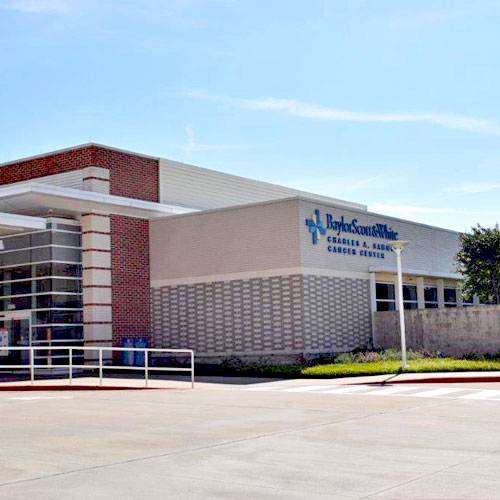
Baylor Scott & White Charles A. Sammons Cancer Center - Irving

2001N MacArthur Blvd Ste 120, Irving, TX, 75061

Not accepting walk-ins

Centro Oncológico Baylor Scott & White Charles A. Sammons - Waxahachie

2380 Interestatal norte 35E , Waxahachie, TX, 75165

Not accepting walk-ins

Aceptamos visitas sin cita previa

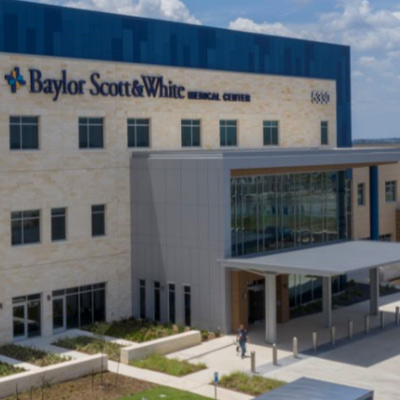
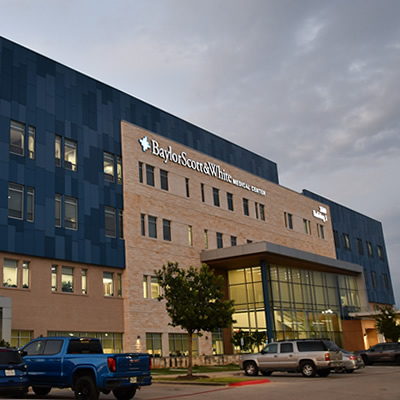
Baylor Scott & White Medical Center - Uptown

2727 E Lemmon Ave , Dallas, TX, 75204

Aceptamos visitas sin cita previa

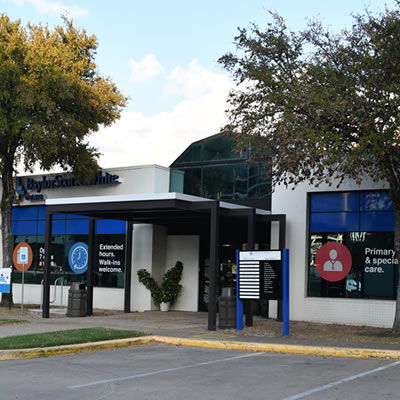
Clínica de Baylor Scott & White - Marble Falls

800 W State Hwy 71 Marble Falls, TX, 78654

Aceptamos visitas sin cita previa

Not accepting walk-ins

Not accepting walk-ins

Centro de imágenes para mujeres Baylor Scott & White - Las Colinas (Macarthur & I-635)

440 Plaza II de la autopista W Lyndon B Johnson, calle 120A, Irving, TX, 75063

Not accepting walk-ins

Centro de imágenes para mujeres Baylor Scott & White - McKinney

5236 w university dr ste 2500, mckinney, tx, 75071

Not accepting walk-ins

4716 Pabellón II de Alliance Blvd, Ste 100, Plano, TX, 75093

Not accepting walk-ins

Aceptamos visitas sin cita previa

Centro de senos en Baylor Scott & White - Grapevine

1631 lancaster dr ste 130, Grapevine, Texas, 76051

Not accepting walk-ins