What is hypertrophic cardiomyopathy?
Hypertrophic cardiomyopathy, or HCM, is a condition where the heart muscle becomes abnormally thick. As a result, the heart becomes inefficient and has to work harder to pump blood. This extra work can cause symptoms such as fatigue and shortness of breath, and potentially serious complications. Most people, though, can live normally with hypertrophic cardiomyopathy.
Types of hypertrophic cardiomyopathy
Hypertrophic cardiomyopathy can affect the heart in several ways. In many cases, it causes thickening of the septum, a wall of tissue that divides your heart into two sides. Thickening of the septum between the ventricles (your heart’s lower chambers) can interfere with blood flow out of the heart.
Less commonly, HCM can cause thickening in other parts of the heart muscle, which can have many effects on your body. These effects include reducing the left ventricle’s ability to fill with blood and causing the mitral valve to leak.
Doctors classify hypertrophic cardiomyopathy into types based on where thickening of the tissue occurs and whether it disrupts blood flow. Types of this condition include:
- Obstructive hypertrophic cardiomyopathy: This is the most common type. Thickening of the septum blocks or reduces blood flow into the aorta, the body’s largest artery.
- Nonobstructive hypertrophic cardiomyopathy: The heart muscle thickens, but blood can still flow normally.
- Apical hypertrophic cardiomyopathy: This subtype of nonobstructive hypertrophic cardiomyopathy affects the apex, or bottom, of the heart.

Hypertrophic cardiomyopathy symptoms
Hypertrophic cardiomyopathy may not cause symptoms, at least at first. Some people notice symptoms only when they’re exercising or exerting themselves. The condition is chronic, which means it gradually worsens, so you may notice symptoms that develop over time.
Hypertrophic cardiomyopathy symptoms include:
- Arrhythmia (or fast and irregular heartbeats)
- Dolor de pecho
- Dizziness
- Fainting
- Lightheadedness
- Loss of energy
- Dificultad para respirar
- Swelling in your stomach, legs, ankles, feet or neck veins
When to see a doctor
See your primary care doctor if you experience symptoms of hypertrophic cardiomyopathy. If they suspect thickening of the heart muscle, they may refer you to a heart and vascular specialist.
Hypertrophic cardiomyopathy causes
In most cases, HCM develops due to genetic mutations that affect the way the heart muscle grows. A mutation in just one copy of a gene can be enough to cause thickening of the tissue.
Hypertrophic cardiomyopathy risk factors
Hypertrophic cardiomyopathy affects people of all ages and can develop at any time in life. Due to its genetic roots, the condition often runs in families, so if a parent was diagnosed with HCM, you have a higher risk of developing it. If you have a parent or sibling with the condition, you should talk to your doctor about your risk.
Aside from genetics, doctors have identified a few other risk factors for hypertrophic cardiomyopathy, such as high blood pressure.
Complications
Most people with hypertrophic cardiomyopathy don’t develop complications. In some cases, serious heart problems can occur, especially as the condition progresses. In young people and athletes, HCM is a common cause of sudden cardiac death, but this is very rare.
Complications of hypertrophic cardiomyopathy can include:
- Atrial fibrillation: Thickening of the heart muscle can cause the atria (top chambers of the heart) to stretch, beat rapidly and irregularly and cause potentially dangerous blood clots.
- Insuficiencia cardiaca: As the heart thickens and stiffens, it may struggle to fill with and pump enough blood.
- Carrera: Blood clots caused by atrial fibrillation can travel to the brain and cause a stroke.
- Sudden cardiac death: If the heart beats too fast, it may suddenly stop, a condition called sudden cardiac arrest that can cause death.
- Ventricular tachycardia/fibrillation: Another potentially dangerous arrhythmia, ventricular tachycardia is when your ventricles beat rapidly.
Diagnosing hypertrophic cardiomyopathy
Your doctor will ask about your personal and family medical history and your symptoms. They will also conduct a physical exam to check for signs of thickening of the heart muscle.
With hypertrophic cardiomyopathy, a heart murmur is often a telltale sign that something is wrong. Your doctor will listen to your heart and check for murmurs and possibly order tests to look for evidence of thickening, stiffness or obstruction.
-
Medical history and exam
Your doctor will ask about any medical conditions you have, especially heart problems. They will also want to know whether you have a family history of hypertrophic cardiomyopathy or other heart conditions, such as arrhythmia, heart failure, stroke or heart attack.
Your doctor will ask about your symptoms. Be sure to tell your doctor when the symptoms started, what they feel like, how often they occur and how they affect your ability to perform daily activities.
Next, your doctor will examine you to check your physical condition and look for signs of hypertrophic cardiomyopathy. They will listen to your heart and lungs to detect issues, such as a heart murmur, that may indicate hypertrophic cardiomyopathy.
-
Imaging
Common imaging to diagnose hypertrophic cardiomyopathy include:
- Echocardiogram: This test uses ultrasound waves to create images evaluating the heart muscle, its thickness, its function and the valves.
- Cardiac CT scan: This imaging test can create a 3D image of your heart that allows your doctor to look for narrowed arteries and better understand how well the heart is working.
- Cardiac MRI scan: This test uses strong magnets and radio waves to produce images that can show how well the heart is working. These images allow doctors to look for problems with blood flow, left ventricular pumping and valve function.
- Chest X-ray: A chest X-ray can show enlargement of the heart that may indicate hypertrophic cardiomyopathy.
-
Testing for HCM
Several tests can also help your doctor diagnose hypertrophic cardiomyopathy or rule out other conditions that may be causing your symptoms. These tests include:
- Electrocardiogram (EKG): EKGs measure electrical activity in your heart. The test can help detect arrhythmias and other problems caused by thickening of the heart muscle.
- Echocardiogram: One of the most common tests for diagnosing hypertrophic cardiomyopathy, an echocardiogram uses sound waves to form images of the heart. This test can show thickening of the heart tissue.
- Exercise stress test: An exercise stress test can show how efficiently your heart pumps. You’ll walk on a treadmill or ride a stationary bike while medical professionals monitor your heart rate, rhythm and electrical activity.
- Heart monitors: These portable devices record your heart’s activity for a few days to a few weeks. The data can show whether you experienced any arrhythmias while wearing it.
Hypertrophic cardiomyopathy treatment
Your doctor will determine how best to treat hypertrophic cardiomyopathy based on the type you have, how well your heart is working and whether you have any symptoms, among other factors. Treatment cannot cure the condition, but it can reduce symptoms and lower your risk for complications.
Your doctor will likely recommend changing your lifestyle to improve your heart health. They may prescribe medications to lower the heart rate and treat symptoms by helping your heart work better. If you have severe symptoms or lifestyle changes and medications haven’t helped, you may need surgery to address the condition and protect against complications.
-
Lifestyle changes
Lifestyle changes
Lifestyle changes can help protect your heart and reduce the risk of heart problems that hypertrophic cardiomyopathy can cause. Your doctor may suggest the following:
- Be moderately active: Exercise is good for your heart, but talk to your doctor about which activities are right for you, especially if you’re an athlete.
- Maintain adequate hydration: Drinking too much fluid or not having enough fluid can cause the heart to function poorly, leading to feelings of lightheadedness or leg swelling.
- Manage chronic health conditions: If you have heart failure, high blood pressure, sleep apnea or another long-term health problem, ensure you manage it appropriately to reduce the risk of complications.
- See your doctor regularly: They will monitor you for new or worsening symptoms. They will also want to assess how well your treatment is working.
-
Medicación
Medicación
Several medications can help you manage symptoms and improve heart function by slowing down the heart rate, including:
- Beta blockers: These medications can improve the heart’s pumping ability. They can also treat certain arrhythmias by slowing your heart rate.
- Calcium channel blockers: These medications relax the heart muscle and can help your heart pump more efficiently.
- Diuretics: These medications can reduce the strain on your heart by helping your body flush out excess fluids and potassium–but only if you have too much fluid in your body.
- Mavacamten: This medication can reduce strain on the heart and improve its function in people with symptomatic hypertrophic cardiomyopathy. It targets myosin, a protein involved in muscle contraction. Careful monitoring of the heart’s function is required for this medication.
-
Heart procedures
Heart procedures
Surgery and other procedures can treat hypertrophic cardiomyopathy that causes severe symptoms or has become very advanced. Your doctor can help you decide if surgery is right for you. If you decide to proceed, your options may include:
- Alcohol septal ablation: This is a nonsurgical procedure in which your interventional cardiologist injects ethanol, a type of alcohol, into an artery that sends blood to a damaged area of heart muscle. The ethanol reduces the thickened tissue.
- Implantable devices: You may need a pacemaker, an implantable cardioverter defibrillator or a cardiac resynchronization therapy device to stop arrhythmias or improve heart function.
- Septal myectomy: A surgeon will remove a portion of the thickened septum to improve blood flow in the heart.
- Transplante de corazón: If your heart is severely damaged, you may need a donor heart to replace it.
Locations to treat hypertrophic cardiomyopathy
Hypertrophic cardiomyopathy requires lifelong monitoring and management. Our heart teams in North and Central Texas can offer the comprehensive care you need to live a full life. We can help arrange care at the location best suited to your needs.
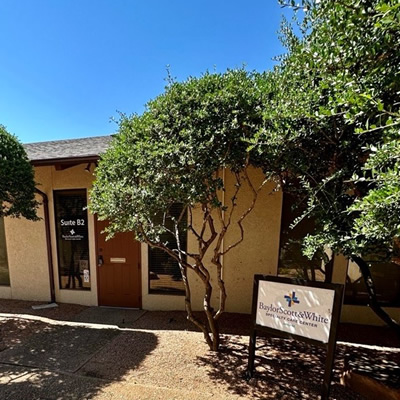
Baylor Scott & White Advanced Heart Failure Clinic - Abilene
1219 E South 11th St Ste B2, Abilene, TX, 79602
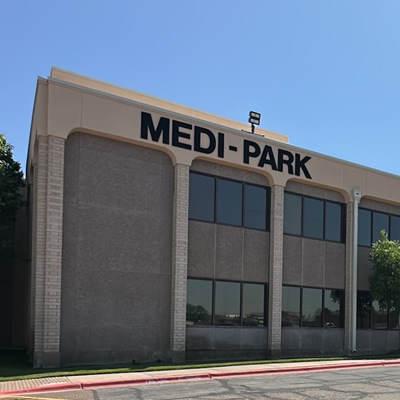
Baylor Scott & White Advanced Heart Failure Clinic - Amarillo
1901 Medi Park Dr Ste 2051, Amarillo, TX, 79106
Baylor Scott & White Advanced Heart Failure Clinic - Dallas
3410 Worth St Ste 250, Dallas, TX, 75246
- Lunes: 8:00 am - 4:30 pm
- Martes: 8:00 am - 4:30 pm
- Miércoles: 8:00 am - 4:30 pm
- Jueves: 8:00 am - 4:30 pm
- Viernes: 8:00 am - 4:30 pm
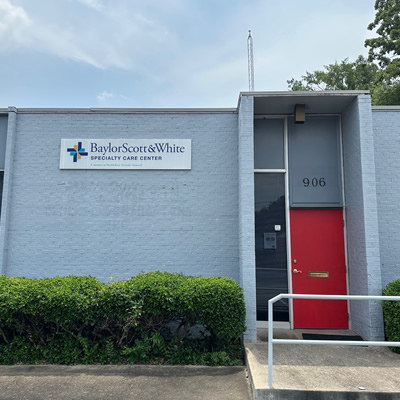
Baylor Scott & White Advanced Heart Failure Clinic - Longview
906 Judson Rd , Longview, TX, 75601
Baylor Scott & White Advanced Heart Failure Clinic - Lubbock
3711 22nd St Ste B, Lubbock, TX, 79410
Baylor Scott & White Advanced Heart Failure Clinic - Midland/Odessa
420 E 6th St Ste 102, Odessa, TX, 79761
Baylor Scott & White Advanced Heart Failure Clinic - Tyler
1321 S Beckham Ave , Tyler, TX, 75701
Baylor Scott & White Advanced Heart Failure Specialists - Fort Worth
1250 8th Ave Ste 200, Fort Worth, TX, 76104
- Lunes: 8:00 am - 5:00 pm
- Martes: 8:00 am - 5:00 pm
- Miércoles: 8:00 am - 5:00 pm
- Jueves: 8:00 am - 5:00 pm
- Viernes: 8:00 am - 5:00 pm
Baylor Scott & White Centro Médico All Saints - Fort Worth
1400 8th Ave , Fort Worth, TX, 76104
Baylor Scott & White Arrhythmia Management - Denton
3333 Colorado Blvd , Denton, TX, 76210
- Lunes: 8:00 am - 5:00 pm
- Martes: 8:00 am - 5:00 pm
- Miércoles: 8:00 am - 5:00 pm
- Jueves: 8:00 am - 5:00 pm
- Viernes: 8:00 am - 5:00 pm
Baylor Scott & White Arrhythmia Management - Garland
7217 Telecom Pkwy Ste 205, Garland, TX, 75044
- Lunes: 8:00 am - 5:00 pm
- Martes: 8:00 am - 5:00 pm
- Miércoles: 8:00 am - 5:00 pm
- Jueves: 8:00 am - 5:00 pm
- Viernes: 8:00 am - 5:00 pm
Baylor Scott & White Arrhythmia Management - Grapevine
2020 W State Hwy 114 Ste 320, Grapevine, TX, 76051
Baylor Scott & White Arrhythmia Management - McKinney
5236 W University Dr POB I, Ste 4900, McKinney, TX, 75071
- Lunes: 8:00 am - 5:00 pm
- Martes: 8:00 am - 5:00 pm
- Miércoles: 8:00 am - 5:00 pm
- Jueves: 8:00 am - 5:00 pm
- Viernes: 8:00 am - 5:00 pm
Baylor Scott & White Arrhythmia Management - Plano
1820 Preston Park Blvd Ste 1450, Plano, TX, 75093
- Lunes: 8:00 am - 5:00 pm
- Martes: 8:00 am - 5:00 pm
- Miércoles: 8:00 am - 5:00 pm
- Jueves: 8:00 am - 5:00 pm
- Viernes: 8:00 am - 5:00 pm
Baylor Scott & White Arrhythmia Management - Prosper
111 S Preston Rd Ste 10, Prosper, TX, 75078
- Lunes: 8:00 am - 5:00 pm
- Martes: 8:00 am - 5:00 pm
- Miércoles: 8:00 am - 5:00 pm
- Jueves: 8:00 am - 5:00 pm
- Viernes: 8:00 am - 5:00 pm
Baylor Scott & White Arrhythmia Management - Rockwall
1005 W Ralph Hall Pkwy Ste 225, Rockwall, TX, 75032
Baylor Scott & White Cardiac and Thoracic Surgery - Fort Worth
1250 8th Ave Ste 200, Fort Worth, TX, 76104
- Lunes: 8:00 am - 4:30 pm
- Martes: 8:00 am - 4:30 pm
- Miércoles: 8:00 am - 4:30 pm
- Jueves: 8:00 am - 4:30 pm
- Viernes: 8:00 am - 4:30 pm
Baylor Scott & White Cardiac and Thoracic Surgery - Lubbock
3711 22nd St Ste B, Lubbock, TX, 79410
Baylor Scott & White Cardiac and Thoracic Surgery - Odessa
420 E 6th St Ste 102, Odessa, TX, 79761
Baylor Scott & White Cardiac and Thoracic Surgery - Weatherford
2035 Fort Worth Hwy Ste 100, Weatherford, TX, 76086
Baylor Scott & White Cardiac Surgery - Dallas
621 N Hall St Ste 120, Dallas, TX, 75226
- Lunes: 8:30 am - 4:30 pm
- Martes: 8:30 am - 4:30 pm
- Miércoles: 8:30 am - 4:30 pm
- Jueves: 8:30 am - 4:30 pm
- Viernes: 8:30 am - 4:30 pm
Baylor Scott & White Cardiac Surgery Specialists - Denton
3333 Colorado Blvd , Denton, TX, 76210
- Lunes: 8:30 am - 5:00 pm
- Martes: 8:30 am - 5:00 am
- Miércoles: 8:30 am - 5:00 pm
- Jueves: 8:30 am - 5:00 pm
- Viernes: 8:30 am - 5:00 pm
Baylor Scott & White Cardiac Surgery Specialists - McKinney
5236 W University Dr Ste 4900, McKinney, TX, 75071
Baylor Scott & White Cardiac Surgery Specialists - Plano
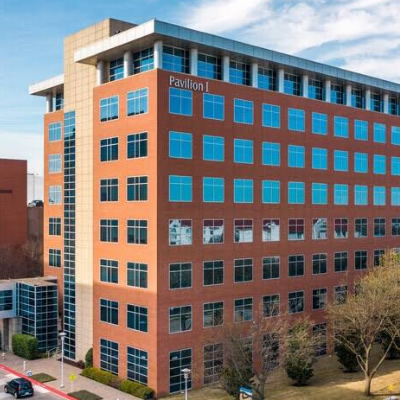
4708 Alliance Blvd Pavilion I, Ste 540, Plano, TX, 75093
- Lunes: 8:30 am - 4:30 pm
- Martes: 8:30 am - 4:30 pm
- Miércoles: 8:30 am - 4:30 pm
- Jueves: 8:30 am - 4:30 pm
- Viernes: 8:30 am - 4:30 pm
Baylor Scott & White Cardiology Consultants of Texas - Dallas
621 N Hall St Ste 500, Dallas, TX, 75226
- Lunes: 8:00 am - 5:00 pm
- Martes: 8:00 am - 5:00 pm
- Miércoles: 8:00 am - 5:00 pm
- Jueves: 8:00 am - 5:00 pm
- Viernes: 8:00 am - 5:00 pm
- Lunes: 8:30 am - 4:30 pm
- Martes: 8:30 am - 4:30 pm
- Miércoles: 8:30 am - 4:30 pm
- Jueves: 8:30 am - 4:30 pm
Baylor Scott & White Cardiology Consultants of Texas - Greenville
4400 Interstate 30 W Ste 300, Greenville, TX, 75402
- Lunes: 8:30 am - 5:00 pm
- Martes: 8:30 am - 5:00 pm
- Miércoles: 8:30 am - 5:00 pm
- Jueves: 8:30 am - 5:00 pm
- Viernes: 8:30 am - 5:00 pm
Baylor Scott & White Cardiology Consultants of Texas - Mesquite
1575 Interstate 30 , Mesquite, TX, 75150
- Lunes: 8:30 am - 5:00 pm
- Martes: 8:30 am - 5:00 pm
- Miércoles: 8:30 am - 5:00 pm
- Jueves: 8:30 am - 5:00 pm
- Viernes: 8:30 am - 5:00 pm
Baylor Scott & White Cardiology Consultants of Texas - Midway
4431 E US Hwy 287 , Midlothian, TX, 76065
- Lunes: 8:00 am - 5:00 pm
- Martes: 8:00 am - 5:00 pm
- Miércoles: 8:00 am - 5:00 pm
- Jueves: 8:00 am - 5:00 pm
- Viernes: 8:00 am - 5:00 pm
Baylor Scott & White Cardiology Consultants of Texas - Park Cities
9101 N Central Expy Ste 300C, Dallas, TX, 75231
- Lunes: 8:30 am - 5:00 pm
- Martes: 8:30 am - 5:00 pm
- Miércoles: 8:30 am - 5:00 pm
- Jueves: 8:30 am - 5:00 pm
- Viernes: 8:30 am - 5:00 pm
Baylor Scott & White Cardiology Consultants of Texas - Red Oak
301 E Ovilla Rd Ste 100, Red Oak, TX, 75154
- Lunes: 8:00 am - 5:00 pm
- Martes: 8:00 am - 5:00 pm
- Miércoles: 8:00 am - 5:00 pm
- Jueves: 8:00 am - 5:00 pm
- Viernes: 8:00 am - 5:00 pm
Baylor Scott & White Cardiology Consultants of Texas - Waxahachie
2360 N Interstate 35E Ste 110, Waxahachie, TX, 75165
- Lunes: 8:00 am - 5:00 pm
- Martes: 8:00 am - 5:00 pm
- Miércoles: 8:00 am - 5:00 pm
- Jueves: 8:00 am - 5:00 pm
- Viernes: 8:00 am - 5:00 pm
Baylor Scott & White Cardiothoracic Surgery - Irving
1110 Cottonwood Ln Ste 215, Irving, TX, 75038
- Lunes: 8:30 am - 4:30 pm
- Martes: 8:30 am - 4:30 pm
- Miércoles: 8:30 am - 4:30 pm
- Jueves: 8:30 am - 4:30 pm
- Viernes: 8:30 am - 4:30 pm
Baylor Scott & White Cardiovascular Associates - Fort Worth
1307 8th Ave Ste 406, Fort Worth, TX, 76104
- Lunes: 8:00 am - 4:30 pm
- Martes: 8:00 am - 4:30 pm
- Miércoles: 8:00 am - 4:30 pm
- Jueves: 8:00 am - 4:30 pm
- Viernes: 8:00 am - 4:30 pm
Baylor Scott & White Cardiovascular Consultants - Denton
3333 Colorado Blvd , Denton, TX, 76210
- Lunes: 8:30 am - 5:00 pm
- Martes: 8:30 am - 5:00 pm
- Miércoles: 8:30 am - 5:00 pm
- Jueves: 8:30 am - 5:00 pm
- Viernes: 8:30 am - 5:00 pm
Baylor Scott & White Cardiovascular Consultants - Grapevine
2020 W State Hwy 114 Ste 200, Grapevine, TX, 76051
- Lunes: 8:00 am - 5:00 pm
- Martes: 8:00 am - 5:00 pm
- Miércoles: 8:00 am - 5:00 pm
- Jueves: 8:00 am - 5:00 pm
- Viernes: 8:00 am - 4:00 pm
Baylor Scott & White Cardiovascular Consultants - Highland Village
1401 Shoal Creek Ste 240, Highland Village, TX, 75077
- Lunes: 8:30 am - 5:00 pm
- Martes: 8:30 am - 5:00 pm
- Miércoles: 8:30 am - 5:00 pm
- Jueves: 8:30 am - 5:00 pm
- Viernes: 8:30 am - 5:00 pm
Baylor Scott & White Cardiovascular Consultants - Keller
620 S Main St Ste 240, Keller, TX, 76248
- Lunes: 8:00 am - 5:00 pm
- Martes: 8:00 am - 5:00 pm
- Miércoles: 8:00 am - 5:00 pm
- Jueves: 8:00 am - 5:00 pm
- Viernes: 8:00 am - 4:00 pm
Baylor Scott & White Cardiovascular Consultants - Plano
6000 W Spring Creek Pkwy Ste 220, Plano, TX, 75024
- Lunes: 8:30 am - 5:00 pm
- Martes: 8:30 am - 5:00 pm
- Miércoles: 8:30 am - 5:00 pm
- Jueves: 8:30 am - 5:00 pm
- Viernes: 8:30 am - 5:00 pm
Baylor Scott & White Cardiovascular Consultants - Plano II
4708 Alliance Blvd Pavilion I, Ste 450 , Plano, TX, 75093
- Lunes: 8:30 am - 4:45 pm
- Martes: 8:30 am - 4:45 pm
- Miércoles: 8:30 am - 4:45 pm
- Jueves: 8:30 am - 4:45 pm
- Viernes: 8:30 am - 4:45 pm
Baylor Scott & White Cardiovascular Consultants at The Star
3800 Gaylord Pkwy Ste 910, Frisco, TX, 75034
- Lunes: 8:30 am - 5:00 pm
- Martes: 8:30 am - 5:00 pm
- Miércoles: 8:30 am - 5:00 pm
- Jueves: 8:30 am - 5:00 pm
- Viernes: 8:30 am - 5:00 pm
Baylor Scott & White Cardiovascular Specialists - Mesquite
5308 N Galloway Ave Ste 201, Mesquite, TX, 75150
- Lunes: 8:00 am - 5:00 pm
- Martes: 8:00 am - 5:00 pm
- Miércoles: 8:00 am - 5:00 pm
- Jueves: 8:00 am - 5:00 pm
- Viernes: 8:00 am - 5:00 pm
Baylor Scott & White Cardiovascular Specialists - Rockwall
6705 Heritage Pkwy Ste 202, Rockwall, TX, 75087
- Lunes: 8:00 am - 5:00 pm
- Martes: 8:00 am - 5:00 pm
- Miércoles: 8:00 am - 5:00 pm
- Jueves: 8:00 am - 5:00 pm
- Viernes: 8:00 am - 5:00 pm
Baylor Scott & White Center for Thoracic Surgery - Dallas
3410 Worth St Ste 760, Dallas, TX, 75246
- Lunes: 8:00 am - 4:30 pm
- Martes: 8:00 am - 4:30 pm
- Miércoles: 8:00 am - 4:30 pm
- Jueves: 8:00 am - 4:30 pm
- Viernes: 8:00 am - 4:30 pm
Baylor Scott & White Center for Thoracic Surgery - Lubbock
3711 22nd St Ste B, Lubbock, TX, 79410
Baylor Scott & White Center for Thoracic Surgery - Rockwall
6701 Heritage Pkwy Ste 130, Rockwall, TX, 75087
Baylor Scott & White Center for Thoracic Surgery - Tyler
1321 S Beckham Ave , Tyler, TX, 75702
Baylor Scott & White Center for Thoracic Surgery - Waxahachie
2480 N Interstate 35E , Waxahachie, TX, 75165
Baylor Scott & White Clinic - Austin Downtown
200 E Cesar Chavez St Ste G140, Austin, TX, 78701
- Lunes: 8:00 am - 5:00 pm
- Martes: 8:00 am - 5:00 pm
- Miércoles: 8:00 am - 5:00 pm
- Jueves: 8:00 am - 5:00 pm
- Viernes: 8:00 am - 5:00 pm
Baylor Scott & White Clinic - Austin North Burnet
2608 Brockton Dr , Austin, TX, 78758
- Lunes: 8:00 am - 5:00 pm
- Martes: 8:00 am - 5:00 pm
- Miércoles: 8:00 am - 5:00 pm
- Jueves: 8:00 am - 5:00 pm
- Viernes: 8:00 am - 5:00 pm
Baylor Scott & White Clinic - Austin Oak Hill
5251 US 290 , Austin, TX, 78735
- Lunes: 8:00 am - 5:00 pm
- Martes: 8:00 am - 5:00 pm
- Miércoles: 8:00 am - 5:00 pm
- Jueves: 8:00 am - 5:00 pm
- Viernes: 8:00 am - 5:00 pm
Preguntas frecuentes
-
Can people with hypertrophic cardiomyopathy exercise?
Yes, people with hypertrophic cardiomyopathy can exercise. Your doctor may recommend participating in light or moderate aerobic exercise instead of intense physical activity to reduce the risk of serious complications.
-
Is hypertrophic cardiomyopathy genetic?
Yes, in most cases, hypertrophic cardiomyopathy is genetic. You may inherit a gene mutation from a parent that causes the heart muscle to thicken.
-
Who is at risk for hypertrophic cardiomyopathy?
You have a higher risk for hypertrophic cardiomyopathy if at least one of your parents or siblings had the condition.
-
How common is hypertrophic cardiomyopathy?
Hypertrophic cardiomyopathy is the most common genetic heart condition in the US. It affects around 1 in 500 people.
-
What should you avoid with hypertrophic cardiomyopathy?
If you have HCM, your doctor may recommend avoiding vigorous physical activity due to the risk of sudden cardiac death. You should also avoid other heart-health risk factors, such as smoking, excessive alcohol consumption and foods high in sodium, sugar and unhealthy fats.
-
At what age does hypertrophic cardiomyopathy develop?
Hypertrophic cardiomyopathy can develop at any age. Most people with this condition are diagnosed during mid-life.
-
Will losing weight help with hypertrophic cardiomyopathy?
Reaching and maintaining a healthy weight benefits your heart health by allowing the heart to pump blood more easily and reducing the risk of cardiovascular problems.