¿Qué es el cáncer de próstata?

Cancer is an uncontrolled growth of abnormal cells that form in one area and can spread throughout the body. Prostate cancer causes no symptoms in its early states. If you have urinary symptoms, there are more likely to be because of another health problem.

Prostate cancer is when cells in the prostate change and grow out of control. These cells may form a tumor, noncancerous growth, atypical cells, cancer and metastatic cancer. Most prostate cancers occur in men who are older than 65.

The prostate is a gland that is just below the bladder and part of the male reproductive system. Problems with the prostate become more common as a man ages and can include prostate cancer, the common cancer in men. This cancer can often be cured or controlled, especially if it's found and treated early. A screening test can help find cancer. Screening tests can often help detect prostate cancer before it causes any symptoms.

¿Cuáles son los factores de riesgo del cáncer de próstata?

  • Age: As you grow older, your risk of developing prostate cancer increases.
  • Family history: If your father or brother has had prostate cancer, your risk of developing it is higher.
  • Race: African American men are more likely than other men to develop prostate cancer; they are also more likely to die of prostate cancer than other men with the disease.

Tratamiento del cáncer de próstata

Prostate cancer is the most common cancer in men. Baylor Scott & White Health offers minimally invasive procedures, such as robot-assisted surgery, to care for prostate cancer. We also offer innovative nonsurgical therapies for the treatment of prostate cancer. At Baylor Scott & White, you'll receive compassionate, quality care throughout all stages of your cancer treatment.

Your treatment plan will be determined by your care team based on age, medical history, type and stage of prostate cancer, and personal preferences. Prostate cancer treatment options may include:

  • Surgery
    • Radical prostatectomy
    • Resección transuretral de la próstata
    • Criocirugía
    • Prostatectomía radical laparoscópica
    • Procedimiento HoLEP
  • Quimioterapia
  • External beam radiation therapy
  • Crioterapia
  • Terapia hormonal
  • Inhibidores de la angiogénesis
  • Terapia de vacunas
  • Vigilancia activa
  • El manejo del dolor
  • Ensayos clínicos (when appropriate)

Cirugía de cáncer de próstata

Your integrated care team may recommend the surgical removal of your prostate, as well as other treatments. Baylor Scott & White – Temple uses minimally invasive techniques whenever possible and appropriate, based on your condition.

Conventional open surgery

In some cases, minimally invasive operations are not an option and your surgeon may determine that conventional open surgery is the best choice for you.

As with all operations, there are some risks your surgeon will discuss with you.

What you can expect after your prostatectomy

At Baylor Scott & White – Temple, following your surgery for prostate cancer:

  • A prostate specimen will be sent to the lab for evaluation
  • A week or so later, your physician will discuss the pathology results with you
  • The report will detail the size and extent of your prostate cancer
  • Your physician will provide information regarding prognosis

Side effects of prostatectomy

Stress urinary incontinence, or involuntary loss of urine that occurs with:

  • Coughing
  • Estornudo
  • Heavy lifting
  • Other physical activity
  • Impotence, or the inability to develop or maintain an erection

La mayoría de los hombres experimentarán cierta incontinencia de esfuerzo después de la prostatectomía y encontrarán una mejora significativa en unas semanas. Más del 90 % de los hombres están secos o son socialmente continentes al año.

La mayoría de los hombres experimentan impotencia inmediatamente después de la prostatectomía. Esta función puede tardar varios meses y hasta un año en volver.

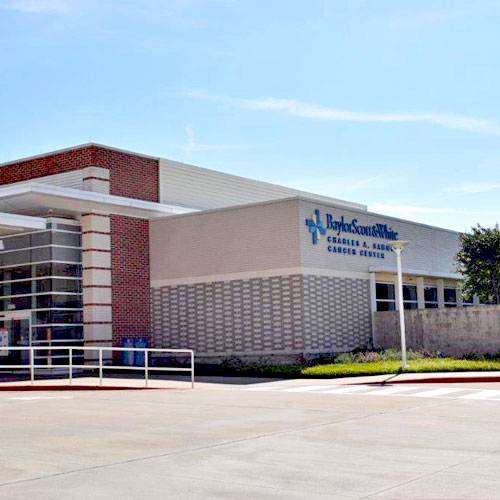
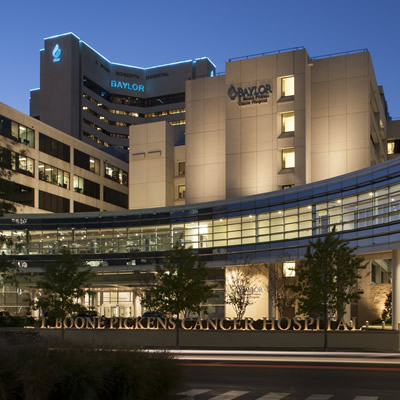
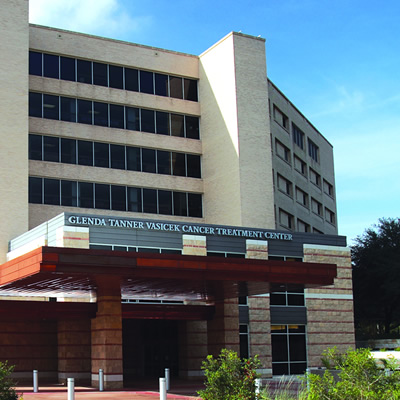
Centros especializados en el tratamiento del cáncer de próstata