¿Qué es el cáncer de recto?

Rectal cancer is a type of cancer that starts in the lining of your rectum—the bottom part of your large intestine. It has many similarities to Cáncer de colon, so the term colorectal cancer often refers to rectal and colon cancer together.

Al igual que el cáncer de colon, el cáncer de recto es muy tratable cuando se detecta en sus primeras etapas. También se puede prevenir con exámenes de detección de cáncer colorrectal de rutina, como una colonoscopia. Durante una colonoscopia, su médico puede extirpar pólipos precancerosos del recto antes de que se conviertan en cáncer.

Desde aprender más sobre su riesgo de cáncer de recto hasta afrontar un diagnóstico de cáncer de recto, nuestro equipo está a su lado. Con nuestra red completa de servicios contra el cáncer, tiene muchas opciones para guiar sus próximos pasos.

rectal cancer illustration

Síntomas del cáncer de recto

When rectal cancer first develops, you may not have any signs or symptoms. Early rectal cancer symptoms also overlap with those of several more common digestive diseases, such as hemorrhoids, irritable bowel syndrome or inflammatory bowel disease. If you’re having any ongoing digestive discomfort, a visit to the doctor is important to help get to the source of your symptoms.

As rectal cancer grows or spreads in the body, you may start to have additional symptoms, such as weight loss or fatigue. In its most advanced stages, rectal cancer may spread to other organs, causing symptoms in your lungs, bones or liver.

Algunos síntomas del cáncer de recto incluyen:

  • Sangrado rectal o sangre en las heces.
  • Estreñimiento, diarrea u otros cambios intestinales.
  • Sentir que todavía necesitas ir después de defecar
  • Estrechamiento de las heces
  • Dolor abdominal o calambres
  • Pérdida de peso involuntaria
  • Fatiga

Cuándo consultar a un médico por cáncer de recto

¿Qué causa el cáncer de recto?

El cáncer de recto es causado por células anormales en el recto que crecen rápidamente. Si bien no conocemos todas las causas del cáncer de recto, ciertos factores lo ponen en mayor riesgo, desde afecciones médicas hasta antecedentes familiares.

Si tiene alguno de los siguientes factores de riesgo, hable con su médico sobre los pasos a seguir para cuidarse, incluida una prueba de detección de cáncer colorrectal.

  • Age: Generally, your risk of rectal cancer gets higher as you get older. However, cases in adults under 50 have increased in recent years.
  • Gender: Men have a slightly higher risk of rectal cancer than women.
  • Race and ethnicity: Rectal cancer rates are highest in African Americans. Other groups with a higher risk include American Indians, Alaska Natives and Ashkenazi Jews.
  • Family health history: If you have a family history of colorectal cancer or colorectal polyps, your risk of rectal cancer is higher. Some inherited genetic syndromes also increase your risk, such as Lynch syndrome or familial adenomatous polyposis (FAP).
  • Certain health conditions: If you’ve been diagnosed with inflammatory bowel disease, including Crohn’s disease or ulcerative colitis, you’re more at risk for rectal cancer.
  • Smoking: As with many types of cancer, smoking and tobacco use are linked to a higher risk of developing rectal cancer.
  • Diet: A diet high in fat, red or processed meats and excessive alcohol use can increase your risk of rectal cancer.

Pruebas genéticas para el cáncer de recto.

Aproximadamente el 5-10 % de los casos de cáncer de recto están relacionados con una afección genética hereditaria. Su médico puede recomendar asesoramiento genético si tiene antecedentes familiares importantes de cáncer colorrectal o un miembro de la familia con un trastorno genético conocido.

Our Asesoramiento genetico programs review your personal and family history, perform risk assessments and guide your choices about genetic testing. Genetic counseling gives you the information you need to make informed choices about your care, including screening options and preventive steps.

Diagnóstico de cáncer de recto

El cáncer de recto se puede detectar durante un examen rectal de rutina o como resultado de pruebas cuando se experimentan síntomas digestivos inusuales o incómodos. Si tiene signos de cáncer de recto, su equipo de atención cuenta con muchas herramientas y tecnologías para encontrar el origen de sus síntomas.

En el caso del cáncer de recto, el diagnóstico precoz es clave. Cuando este tipo de cáncer se diagnostica en sus primeras etapas, su equipo de atención puede extirpar quirúrgicamente todo el cáncer sin necesidad de otros tratamientos.

Historia médica, historia familiar y examen físico.

Si tiene algún síntoma de cáncer de recto, su médico comenzará haciéndole preguntas sobre sus antecedentes médicos y familiares y realizando un examen físico. Su examen físico puede incluir un examen rectal con un dedo enguantado, donde su médico verifica si hay bultos que se puedan sentir en el recto.

Tipos de cáncer de recto

Existen varios tipos de cáncer de recto, pero la mayoría de los cánceres de recto comienzan en el revestimiento del recto, generalmente como un pólipo rectal. En casos raros, también se pueden desarrollar otros tipos de cáncer en el recto, como tumores carcinoides (tumores neuroendocrinos), tumores del estroma gastrointestinal o linfoma.

Cuando le diagnostican cáncer de recto, su tipo de cáncer es importante para guiarle en decisiones informadas sobre su atención. Su equipo de atención se asociará con usted para crear un plan de tratamiento basado en su tipo, ubicación y etapa del cáncer de recto.

Tratamiento del cáncer de recto

Today, you have many options for your Tratamiento del cáncer de recto. A team of specialists will work together to guide your care based on factors like your medical history, rectal cancer stage and personal preferences. Usually, the earlier you catch rectum cancer, the better options you have for treatment.

One of the most common treatments for rectal cancer is surgery to remove all the cancer or as much of it as possible. Depending on your rectal cancer stage, other treatments include chemotherapy, radiation therapy, targeted therapies and immunotherapy.

Surgery

La cirugía para extirpar el cáncer es una de las principales opciones de tratamiento en cada etapa del cáncer de recto. El tipo de cirugía que le realicen depende de cuánto se haya propagado el cáncer. En muchos casos, nuestros cirujanos le brindan opciones mínimamente invasivas que utilizan incisiones más pequeñas durante la cirugía de cáncer de recto para una recuperación más rápida.

  • Local excision: During the earliest stages of rectal cancer, your main treatment may be a procedure to remove the rectal polyp, called a polypectomy, or the local area of cancer in the rectum.
  • Transanal endoscopic microsurgery (TEM): Your care team could recommend TEM for early-stage rectal cancer located a little higher in the rectum. This procedure removes cancer without the need for an incision in your abdomen. A scope is inserted through the anus into the rectum to view the tumor, and microsurgical tools are used to remove it.
  • Transanal minimally invasive surgery (TAMIS): TAMIS is a minimally invasive surgical procedure to remove a tumor in early-stage rectal cancer that was developed as an alternative to TEM.
  • Low anterior resection (LAR): A low anterior resection removes the tumor in your rectum along with part of the rectum. Then, your surgeon can reattach the colon to the remaining rectum, called an anastomosis, to prevent the need for a colostomy. To give your rectum time to heal, you may need a temporary ileostomy with this surgery, where your surgeon connects the small intestine to an opening in the abdomen that allows stool to pass out of your body.
  • Proctectomy with coloanal anastomosis: Proctectomy removes all the rectum, including the rectal cancer. It’s often used in deeply invasive rectal cancers. To avoid needing a permanent colostomy, your surgeon will create a coloanal anastomosis, where a small pouch is made at the end of the colon to collect stool to replace the rectum.
  • Abdominoperineal resection (APR): This surgical procedure uses an incision in the abdomen and incisions around the anus to remove the rectum, anus and tissues around them. APR surgery is more common in low, larger, deeply invasive rectal cancer and requires a permanent colostomy to allow you to pass stool.
  • Diverting colostomy: When cancer blocks the rectum, causing you to be unable to pass stool, your care team may perform a diverting colostomy procedure. This procedure connects the end of the colon to an opening in the abdomen to allow stool to pass out of the body.

Nuestras ubicaciones cerca de usted

Le ayudamos a recibir atención en un lugar que se ajuste a sus necesidades. Ofrecemos varios lugares para su atención, incluida la detección, el diagnóstico y el tratamiento del cáncer de recto en el norte y centro de Texas.

Baylor Scott & White Centro Médico All Saints - Fort Worth

1400 8th Avenue, Fort Worth, Texas, 76104

Aceptamos visitas sin cita previa

Clínica Baylor Scott & White - Templo

2401 S 31st St, Temple, TX, 76508

Not accepting walk-ins

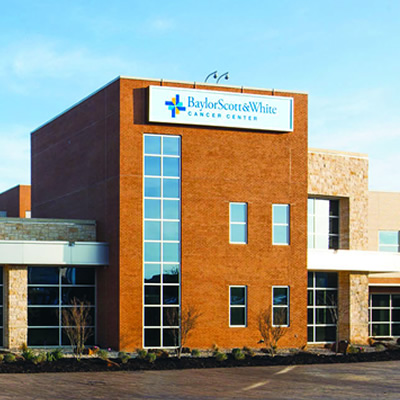
Centro Oncológico Baylor Scott & White McClinton - Waco

150 Hillcrest Medical Blvd, Waco, Texas, 76712

Not accepting walk-ins

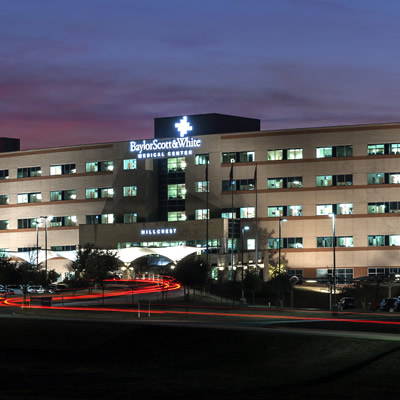
Baylor Scott & Centro Médico Blanco - Hillcrest

100 Hillcrest Medical Blvd, Waco, Texas, 76712

Aceptamos visitas sin cita previa

Baylor Scott & White Medical Center - McKinney

5252 Autopista W University Dr 380 en Lake Forest Drive, McKinney, TX, 75071

Aceptamos visitas sin cita previa

Baylor Scott & White Medical Center - Plano

4700 Alliance Blvd., Plano, TX, 75093

Aceptamos visitas sin cita previa

Baylor Scott & Centro Médico Blanco - Round Rock

300 University Blvd., Round Rock, Texas, 78665

Aceptamos visitas sin cita previa

Baylor Scott & White Medical Center - Templo

2401 S 31st St, Temple, TX, 76508

Aceptamos visitas sin cita previa

Baylor Scott & White Medical Center - Uptown

2727 E Lemmon Ave , Dallas, TX, 75204

Aceptamos visitas sin cita previa

Baylor Scott & White Surgical Hospital - Sherman

3601 Calle N Calais, Sherman, Texas, 75090

Aceptamos visitas sin cita previa

Not accepting walk-ins

Aceptamos visitas sin cita previa

Preguntas frecuentes