What is celiac disease?

Celiac disease is a digestive and immune disorder where the body overreacts to gluten, a protein found in wheat, barley and rye. Eating gluten causes the immune system to attack and damage the small intestine, preventing it from absorbing nutrients and leading to abdominal pain, bloating, diarrhea and weight loss.

Celiac disease is common in children and adults, affecting around one in 100 people worldwide. The condition prevents your body from getting the nutrients, vitamins and minerals needed to thrive, and can affect other parts of your body, leading to long-term health problems.

Celiac disease is often confused with a wheat allergy or gluten sensitivity. However, unlike an allergy or food intolerance, celiac disease damages the digestive system. You cannot prevent or cure celiac disease, but most people can control their symptoms by following a strict gluten-free diet.

Video thumbnail

Celiac disease symptoms

Celiac disease can affect your whole body and has been associated with around 300 symptoms, which can develop at any age after you start eating gluten. Symptoms will vary from one person to another. Some tend to affect young children or adolescents, while others affect older adults.

Common symptoms of celiac disease include:

  • Dolor abdominal
  • Anemia (due to low iron levels)
  • Anxiety or depression
  • Attention deficit hyperactivity disorder in children
  • Hinchazón
  • Bone or Dolor en las articulaciones
  • Estreñimiento
  • Damaged tooth enamel
  • Delayed puberty in teenagers
  • Developmental delay in children
  • Diarrea
  • Failing to grow or gain weight in babies and children
  • Fatiga
  • Fretfulness or irritation in babies
  • Perdida de cabello
  • Low bone density or osteoporosis
  • Missed menstrual periods in women
  • Mouth ulcers and sores
  • Overweight or obesity in infants and children
  • Pérdida de peso

Around 15% of people with celiac disease develop dermatitis herpetiformis, a long-lasting skin condition also known as “gluten rash” or “celiac rash.” It’s caused by the same gluten antibodies that harm the small intestine. The rash is very itchy and usually shows up as clusters of small bumps or blisters, often on the elbows, knees, buttocks or scalp.

Cuando consultar con su médico

What causes celiac disease?

Celiac disease is partly caused by your genes and tends to run in families. Almost everyone with the disease has variants of genes that make proteins that play a critical role in your immune system. They help distinguish proteins in your body from those produced by foreign bodies, such as viruses or bacteria.

If you have celiac disease, your immune system overreacts to a part of the gluten protein called gliadin, and this causes inflammation in your small intestine. The villi, which are small, finger-like structures lining your intestinal wall, become damaged and stop absorbing nutrients effectively.

couple walking down a trail

Celiac disease risk factors

Anyone can develop celiac disease, and you can start to have symptoms at any age. However, some people are more likely than others to develop the disease. Risk factors include:

  • Autoimmune disorder: If you have another autoimmune disorder, such as Type 1 diabetes, Addison’s disease or Esclerosis múltiple, you are more at risk.
  • Chromosomal disorders: You are more likely to be affected if you have Down syndrome, Turner syndrome or Williams syndrome.
  • Race and ethnicity: In the US, Celiac disease is more common among white people than those from other racial and ethnic backgrounds.
  • Family history: You have around a 1 in 10 chance of developing celiac disease if a close relative (such as a parent or sibling) has the disease.
  • Infection: Viral infections can sometimes trigger autoimmune disorders such as celiac disease.
  • Pregnancy and childbirth: Some women find symptoms develop or get worse after giving birth. This could be linked to stress.
  • Sex: More women than men have celiac disease.

Celiac disease complications

If you have celiac disease, your body may not get all the nutrients it needs to stay healthy. This can increase your chance of developing other health conditions. In some cases, your small intestine becomes so severely damaged that it cannot absorb the nutrients you need even when following a gluten-free diet.
Complications of celiac disease include:

  • Anemia: Often caused by an iron deficiency, anemia occurs when your body does not produce enough red blood cells.
  • Cancer of the small intestine: Celiac disease increases your risk for this rare form of cancer.
  • Infertility or reproductive issues: Studies suggest a link between celiac disease and reproductive problems and pregnancy complications.
  • Liver damage: In some people, celiac disease can lead to liver injury or liver failure without a clear cause, a condition which may be classified as cryptogenic cirrhosis.
  • Osteoporosis: People with celiac disease often lack vitamins and minerals, such as calcium and vitamin D. Osteoporosis can develop if you don’t get enough calcium and vitamin D.

How is celiac disease diagnosed?

Getting an accurate diagnosis for celiac disease involves several steps. Your doctor will look at your health history, symptoms, and use specific tests to confirm whether gluten is causing your symptoms.

Together, these steps help your healthcare team confirm a diagnosis of celiac disease or rule it out. Getting a proper diagnosis is important for managing your symptoms, preventing complications, and improving your overall health with the right treatment plan.

Celiac disease treatment

Living with celiac disease means making important lifestyle changes and staying vigilant about your health. Since celiac disease causes your immune system to react to gluten, the main treatment is to avoid gluten completely. This helps prevent damage to your small intestine and eases symptoms like stomach pain, diarrhea and fatigue.

Treatment also involves managing any related health issues, such as nutritional deficiencies or skin conditions. With the right diet, medication and ongoing care, many people with celiac disease lead healthy, active lives. Your healthcare team will work with you to create a treatment plan tailored to your needs and help you understand how to live well with celiac disease every day.

Cambios en el estilo de vida

The only way to manage celiac disease is to eliminate gluten from your diet. This can relieve your symptoms and help your small intestine heal. Your doctor might refer you to a registered dietitian who can help you plan balanced meals and get the nutrients you need.
Read labels carefully and watch out for products containing gluten, including food, supplements, drinks and cosmetics. A wide range of products are labeled gluten-free, which means they contain less than 20 parts per million of gluten. That level is generally safe to eat if you have celiac disease, but monitor your symptoms to be sure even small amounts are suitable.

If you struggle with gastrointestinal symptoms, such as constipation and diarrhea, make sure you eat enough fiber and drink plenty of water.

Your doctor can advise you about support groups in your area. This can be a good way to connect, share experiences and combat isolation.

Encuentre atención especializada para la enfermedad celíaca

En Baylor Scott & White, ofrecemos varias ubicaciones para el tratamiento de la enfermedad celíaca, incluidos los centros de gastroenterología en todo el norte y centro de Texas. Nuestro experimentado equipo está listo para brindarle atención y ayudar a mejorar su calidad de vida. Ya sea que esté buscando un diagnóstico o requiera apoyo continuo, estamos aquí para ayudarle.

Baylor Scott & White Cuidados Digestivos Avanzados

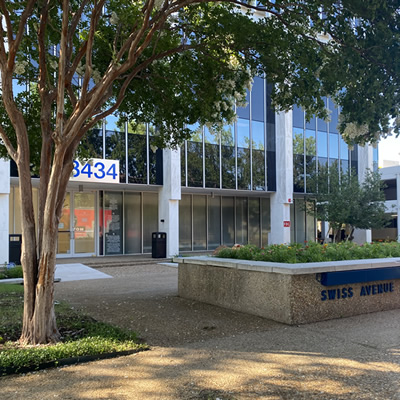
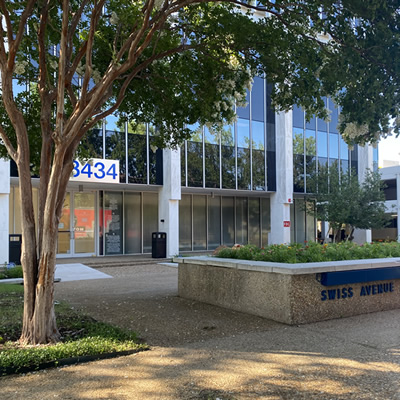
3434 Swiss Ave Ste 200 Dallas, TX, 75204

Not accepting walk-ins

Baylor Scott & White Centro Médico All Saints - Fort Worth

1400 8th Avenue, Fort Worth, Texas, 76104

Aceptamos visitas sin cita previa

Centro de endoscopia ambulatoria Baylor Scott & White

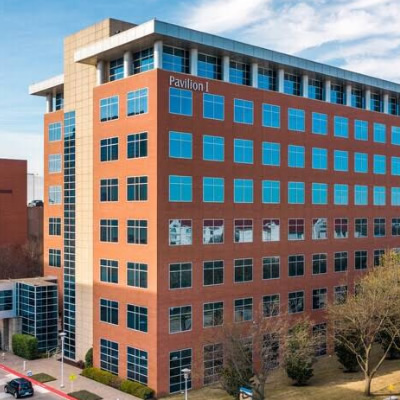
4708 Pabellón I de Alliance Blvd, Ste 210, Plano, TX, 75093

Not accepting walk-ins

Aceptamos visitas sin cita previa

Centro Baylor Scott & White para Enfermedades Esofágicas

3434 Swiss Ave Ste 200 Dallas, TX, 75204

Not accepting walk-ins

Not accepting walk-ins

Clínica Baylor Scott & White - Austin Oak Hill

5251 EE. UU. 290, Austin, TX, 78735

Not accepting walk-ins

Clínica Baylor Scott & White - Centro Médico Buda

5330 Paso elevado Rd Ste 100, Buda, TX, 78610

Not accepting walk-ins

Baylor Scott & Clínica Blanca - Cedar Park

910 East Whitestone Blvd., Cedar Park, TX, 78613

Not accepting walk-ins

Baylor Scott & White Clinic - College Station Rock Prairie

800 Dr. Scott y White, College Station, Texas, 77845

Not accepting walk-ins

Clínica Baylor Scott & White - Centro Médico de Pflugerville (Edificio 1)

2600 E Pflugerville Pkwy Edificio 1, Oficina 200, Pflugerville, TX, 78660

Not accepting walk-ins

Clínica Baylor Scott & White - Edificio del Centro Médico de Pflugerville 2

2600 E Pflugerville Pkwy Edificio 2, Pflugerville, TX, 78660

Not accepting walk-ins

Baylor Scott & Clínica Blanca - Round Rock 300 Universidad

300A University Blvd, Round Rock, Texas, 78665

Not accepting walk-ins

Baylor Scott & Clínica Blanca - Round Rock 302 Universidad

302 University Blvd., Round Rock, Texas, 78665

Not accepting walk-ins

Baylor Scott & White Clinic - Taylor

403 Mallard Ln, Taylor, Texas, 76574

Not accepting walk-ins

Clínica Baylor Scott & White - Templo

2401 S 31st St, Temple, TX, 76508

Not accepting walk-ins

Baylor Scott & White Clinic - Waco

7700 Fish Pond Rd, Waco, Texas, 76710

Aceptamos visitas sin cita previa

Baylor Scott & White Digestive Diseases - Centennial

4461 Coit Rd Pav 2 Ste 401 Frisco, TX, 75035

Not accepting walk-ins

1250 8th ave ste 650, fortworth, tx, 76104

Not accepting walk-ins

Baylor Scott & Enfermedades digestivas White - Prosper

111 s preston rd ste 10, prosperar, tx, 75078

Not accepting walk-ins

Enfermedades digestivas de Baylor Scott y White - Waxahachie

2360 Carretera interestatal norte 35Este 310 , Waxahachie, TX, 75165

Not accepting walk-ins

4716 Pabellón II de Alliance Blvd, Ste 470, Plano, TX, 75093

Not accepting walk-ins

Baylor Scott & White Digestive Diseases en The Star

3800 Gaylord Pkwy Ste 910, Frisco, Texas, 75034

Not accepting walk-ins

450 N Standridge Blvd Ste 104 Anna, TX, 75409

Not accepting walk-ins

Baylor Scott & White Digestive Diseases Group - Garland

7217 telecom pkwy ste 300, guirnalda, tx, 75044

Not accepting walk-ins

5236 w university dr ste 3800, mckinney, tx, 75071

Not accepting walk-ins

5236 w university dr ste 3800, mckinney, tx, 75071

Not accepting walk-ins

9101 N Central Expy Ste 300C, Dallas, TX, 75231

Not accepting walk-ins

Grupo Baylor Scott & White Digestive Diseases Group - Plano

4708 Pabellón I de Alliance Blvd, Ste 200, Plano, TX, 75093

Not accepting walk-ins

Baylor Scott y White Digestive Diseases Group en The Star

3800 Gaylord Pkwy Ste 910, Frisco, Texas, 75034

Not accepting walk-ins

Gastroenterología Baylor Scott & White  - Greenville

4400 Interestatal 30 W Ste 300, Greenville, TX, 75402

Not accepting walk-ins

Gastroenterología Baylor Scott & White  - Lake Pointe

6705 Heritage Pkwy Ste 203, Rockwall, Texas, 75087

Not accepting walk-ins

Baylor Scott & White McLane Children's en Baylor Scott & White Clinic - College Station University Drive

1700 Entrada este de University Dr E 15, primer piso, escritorio P, College Station, TX, 77840

Not accepting walk-ins

Not accepting walk-ins

Not accepting walk-ins

Aceptamos visitas sin cita previa

Not accepting walk-ins

Clínica de especialidades pediátricas Baylor Scott & White McLane - Waco Hillcrest

120 Edificio II de Hillcrest Medical Blvd, Ste 101, Waco, TX, 76712

Not accepting walk-ins

Baylor Scott & White Medical Center - Austin

5245 Carretera estadounidense oeste 290 Carretera de servicio, Austin, Texas, 78735

Aceptamos visitas sin cita previa

Baylor Scott & White Medical Center - Buda

5330 Paso elevado Rd, Buda, TX, 78610

Aceptamos visitas sin cita previa

Baylor Scott & White Medical Center - Centenario

12505 Líbano Rd, Frisco, TX, 75035

Aceptamos visitas sin cita previa

Centro Médico Baylor Scott & White - College Station

700 Dr. Scott y White, College Station, Texas, 77845

Aceptamos visitas sin cita previa

Baylor Scott & White Medical Center - Frisco

5601 Warren Parkway, Frisco, Texas, 75034

Aceptamos visitas sin cita previa

Aceptamos visitas sin cita previa

Baylor Scott & White Medical Center - Grapevine

1650 West College St, Grapevine, Texas, 76051

Aceptamos visitas sin cita previa

Baylor Scott & White Medical Center - Irving

1901 N. MacArthur Blvd., Irving, Texas, 75061

Aceptamos visitas sin cita previa

Baylor Scott & White Medical Center - Lake Pointe

6800 Scenic Dr, Rowlett, Texas, 75088

Aceptamos visitas sin cita previa

Preguntas frecuentes

cargando...